Begin with a useful definition
In this guide, botanical pasta means pasta dishes in which cultivated edible plants make a deliberate contribution to flavor, texture or identity. The phrase is not a regulated menu category. It does not establish that a dish is vegan, organic or nutritionally superior. A useful description goes further: parsley in the sauce, spinach in the filling, or cultivated nasturtium leaves at the finish. Specific language lets diners imagine the food and ask sensible questions before ordering.
The pantry begins with differences. A tender basil leaf behaves differently from a mature chard leaf. Chives provide a gentle onion note, while sage has a more assertive aroma that can dominate a delicate filling. Grouping everything under “greens” misses the decisions that make a dish coherent. Good botanical cooking is often an exercise in editing, not adding more species.
Choose an ingredient family
Aromatic herbs
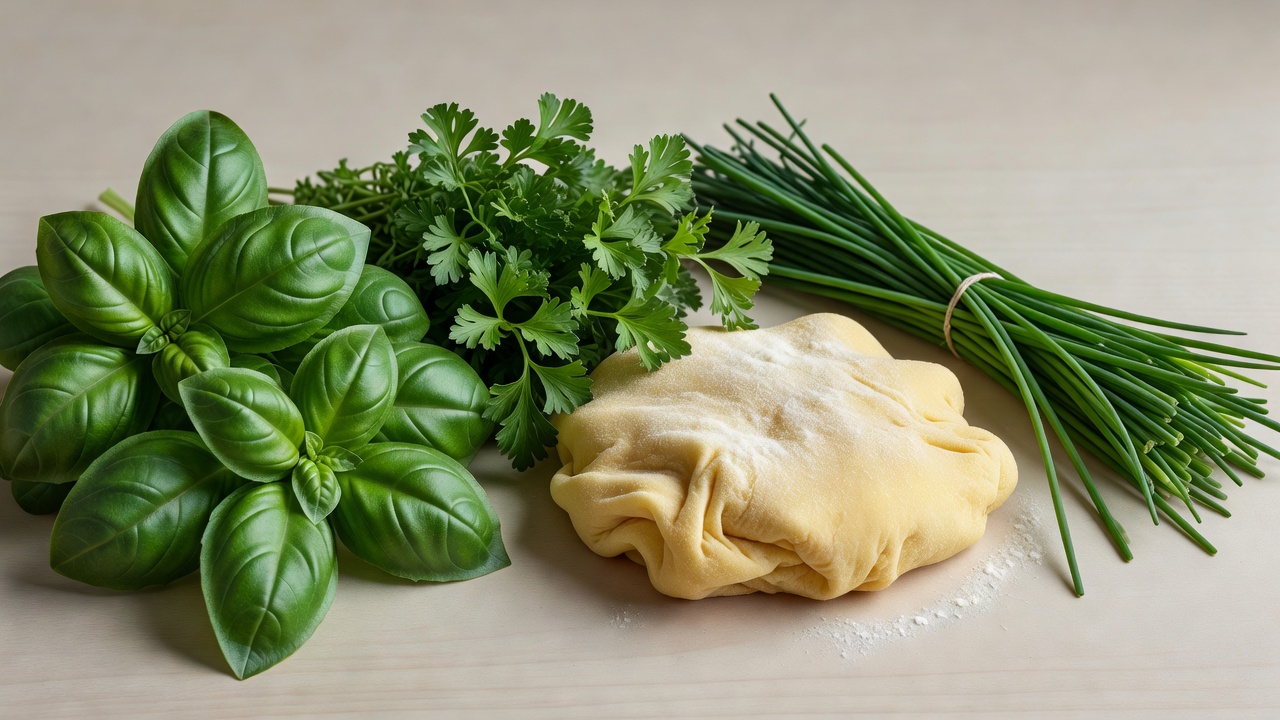
Basil, parsley, chives, dill and sage bring distinct aromatic signatures. Choose one leading note before adding supporting herbs. Delicate leaves often suit a late addition; robust herbs may benefit from brief contact with warm fat.
Leafy greens
Spinach, chard, rocket and chicory differ in moisture, tenderness and bitterness. Decide whether the leaf will become a filling, a coating sauce or a separate element before choosing how finely to cut it.
Food-grade edible flowers
Cultivated edible nasturtium and calendula can contribute peppery or subtle floral notes. Species, edible plant part and food-grade supply must be confirmed. Decorative appearance is not evidence of edibility.
Let aroma lead the composition
Basil and olive oil are familiar companions, but that familiarity should not conceal their balance. Too much garlic can flatten the herb’s perfume; too much oil can make the pasta feel heavy. Parsley can support a brighter, less sweet impression, while dill suggests a different aromatic direction altogether. A menu that names the herb gives the diner a better clue than an unexplained “green emulsion.”
Regional references offer vocabulary rather than rigid rules. Pesto Genovese connects basil with Ligurian culinary tradition; references to Genoa should not be used as a shortcut for authenticity when the ingredients or method are substantially different. Describe a variation honestly. A parsley-and-seed sauce can stand on its own without borrowing a name that creates the wrong expectation.
Read moisture and bitterness
Spinach and chard can release enough water to loosen a filling. In pasta making, cooked greens are commonly drained and squeezed before they meet ricotta or another binding ingredient. That step changes both texture and concentration. Putting a wet filling inside thin dough creates a structural problem that a beautiful garnish cannot solve. A restaurant’s successful botanical dish often depends on this quiet preparation work.
Bitter leaves need a different kind of attention. Radicchio and chicory can provide contrast against butter, cheese or a sweet vegetable filling. The objective is not always to remove bitterness. It is to place it where it becomes interesting rather than harsh. Portion size, cut, cooking and the surrounding sauce all influence the result. Acidity can sharpen the overall impression, so adding lemon is not an automatic remedy.
Treat garnish as a food ingredient
Use edible flowers only when their identity, edible parts and suitability for food use are established. Flowers from florists, garden centers or roadside collections may have unsuitable treatments or may simply be the wrong plant. This guide does not provide foraging identification. If a supplier cannot confirm a product is intended for consumption, leave it off the plate.
Fresh herbs and leaves should be handled according to supplier instructions and applicable food-safety guidance. Washing does not make an inedible plant edible or reliably remove every chemical treatment. Keep delicate produce protected from cross-contamination, and do not assume a raw garnish is harmless because it looks fresh. Diners with allergies should ask about the whole preparation, including nuts, dairy, egg and ingredients blended into sauces.
Ask for a legible plate
A strong botanical dish can be described in one clear sentence: the shape, the principal plant, the sauce and the finishing contrast. Additional elements should support that sentence. If every leaf competes for attention, the concept becomes harder to taste. Start with a short ingredient list and a specific reason for each item; complexity can follow when the foundation is convincing.