Follow an ingredient, not a slogan
A botanical menu can describe a genuine growing relationship, or it can borrow the language of a garden without explaining much. The difference becomes clearer when you follow one ingredient. Who grew the basil? Was it produced outdoors, under glass or in a controlled indoor system? How was it harvested, transported and stored? No single answer guarantees quality, but a coherent account helps a diner understand the kitchen’s choices.
“Local” is incomplete without a place. “Seasonal” needs a climate and a growing method. “Freshly picked” says little about how an ingredient was handled afterward. A small restaurant may not print every detail on the menu, and staff may need to check a supplier record. That is different from treating vague claims as self-explanatory proof.
Different growing systems solve different problems
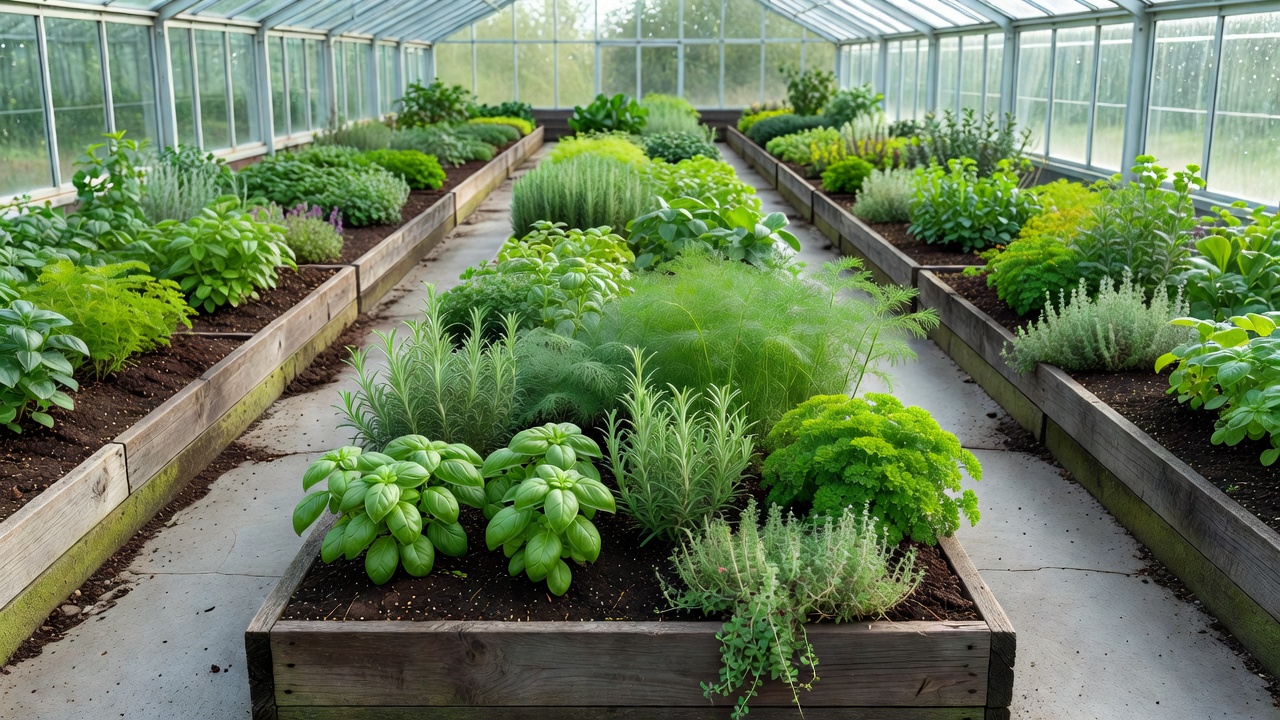
Outdoor cultivation responds directly to local weather and seasons. It can offer a strong connection to a particular landscape, but harvests vary and delicate leaves can be affected by heat, rain or pests. Protected cultivation uses structures such as glasshouses or tunnels to change those conditions. Indoor and hydroponic systems can provide consistency, though their environmental performance depends on energy, infrastructure and management rather than the label alone.
Hydroponic describes growing plants with a nutrient solution instead of conventional soil-based production; it does not automatically mean organic or pesticide-free. Likewise, soil-grown does not automatically mean low-impact. Meaningful comparisons need a defined boundary: energy use, water use, transport, packaging, crop losses and yield can all matter. A menu is rarely the place for a full assessment, but it should avoid presenting one method as universally superior.
Harvest note
Tender leaves can be selected for a particular size and texture. “Baby” describes maturity, not a nutritional guarantee.
Supply note
A specialist grower may provide better identification and consistency than an ornamental garden attached to the dining room.
Let seasons change the recipe
A credible seasonal concept needs room for substitution. If a kitchen promises the same tender herb in the same quantity throughout the year, ask how that continuity is achieved rather than assuming it is impossible or dishonest. Protected cultivation, different growing regions and preserved ingredients can all play a role. The useful question is whether the explanation matches the claim.
Substitutions also require culinary judgment. Replacing basil with sage is not a neutral exchange: aroma, texture and intensity shift. A flexible kitchen may change the sauce or even the pasta shape when the plant changes. That response is more convincing than replacing a leaf while leaving every other element untouched. Seasonality becomes part of the dish’s structure, not merely its menu wording.
Separate certification from impression
In the European Union, organic production and labeling are governed by Regulation (EU) 2018/848. A restaurant using an organic ingredient should distinguish that specific ingredient from a broad claim about the entire dish or business. Certification, where relevant, has a defined scope. Green graphics and earthy interiors do not establish compliance with an agricultural standard.
Food safety is another separate question. Regulation (EC) No 852/2004 concerns food hygiene, while Regulation (EU) No 1169/2011 provides the wider framework for food information to consumers, including allergen information. These references do not replace local professional advice, and requirements depend on the business and context. For diners, the practical lesson is simple: sourcing language should not displace clear ingredient and allergen answers.
Handle abundance without romanticizing waste
Whole-plant thinking can be useful when the relevant plant parts are edible and suitable for the preparation. Herb stems may contribute to a sauce or infusion, but not every stem has the right texture, and not every plant part is safe to eat. “Root to flower” is not a universal instruction. Safety, flavor and traceability come before the desire to use everything.
Preserving surplus also requires appropriate methods. This resource does not offer shelf-stable preservation instructions or informal herb-oil storage advice. Restaurants should use validated procedures and applicable food-safety systems. Diners can still appreciate a kitchen that describes how it manages seasonal abundance without expecting a detailed technical protocol at the table.
Keep a short reference shelf
The European Commission’s organic farming resources, EUR-Lex texts of the regulations above, and food-safety guidance from ANSES in France offer more dependable starting points than unreferenced wellness claims. The FAO provides broader context on food systems. Slow Food and its Ark of Taste can introduce agricultural diversity, but a cultural initiative is not a substitute for a safety assessment or product certification.